
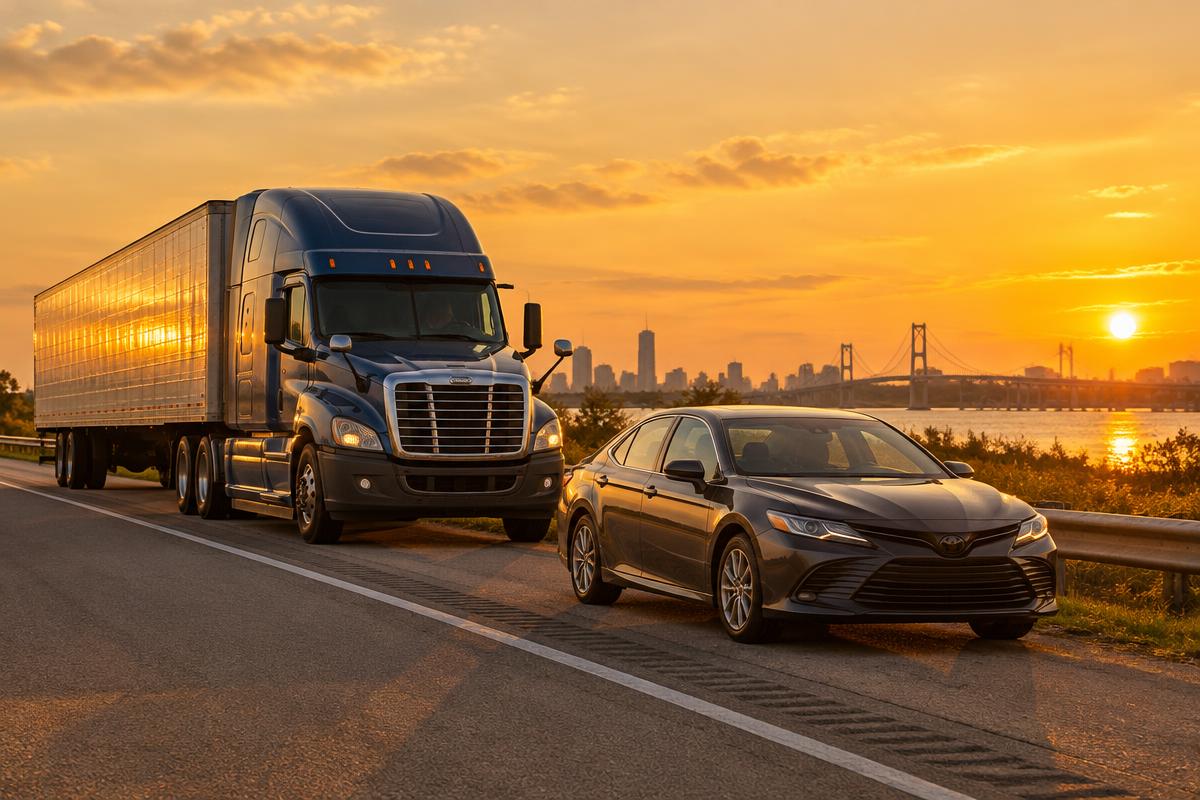
A collision involving a commercial truck can raise questions beyond those in an ordinary car crash. The size of the vehicle may affect the injuries, while business operations can create additional records and potential parties. None of that automatically proves fault. A careful review starts with the facts and the evidence.
More than one party may need review
The driver, vehicle owner, carrier and other businesses may have different roles. In some situations, loading, maintenance or equipment issues may also be relevant. Which parties matter depends on what actually caused the collision.
Write down company names and identifying information when it is safe. Do not assume the logo on the truck tells the whole story. Records about ownership and business relationships can help clarify who was involved.
Commercial records can be important
Depending on the vehicle and circumstances, useful records may include driver logs, dispatch communications, inspection documents and electronic vehicle data. These materials can help establish timing and conditions rather than relying only on memory.
Some evidence can be overwritten or lost. An attorney can consider appropriate preservation requests. Do not attempt to access a truck’s equipment yourself or place yourself near traffic to gather information.
Keep medical and insurance information organized
Get appropriate care and keep follow-up records. Save bills, work restrictions and correspondence about treatment. Serious injuries can require ongoing evaluation, so avoid assuming that the first medical visit captures the entire impact.
Commercial insurance arrangements may involve more than one policy. Keep the identity of each adjuster and all claim numbers. Give accurate information, and seek advice before signing a release that could affect your rights.
Choose facts over assumptions
The involvement of a large truck does not mean the driver or company is automatically responsible. Road conditions, other vehicles and the sequence of events all need attention. Photos, reports and witness accounts can help build a reliable picture.
A lawyer can assess the available evidence and explain possible options. No one can accurately promise a case value based only on the type of vehicle. Your injuries, the evidence, available coverage and applicable law all matter.